Common Causes of Breaker Tripping
- Failed Heating Element — When a heating element begins to fail internally (often from mineral scale buildup accelerated by Nampa's hard water), it can develop a short circuit that draws excess current, tripping the breaker as a protective measure.
- Wiring Short or Damage — Damaged insulation on wiring connections, often from age or heat exposure, can cause a short circuit.
- Failing Thermostat — A stuck or shorting thermostat can cause the elements to draw continuous excess power.
- Water Intrusion into Electrical Components — If the unit has a slow leak affecting the wiring compartment, this creates a serious short-circuit and shock hazard.
- Breaker Reaching End of Life — Less commonly, an aging breaker itself may become oversensitive and trip under normal load.
- Undersized Breaker for the Unit — If a water heater was installed with an incorrectly sized breaker (should be 30A for most 240V residential units), it may trip under normal operating conditions.
Safe Homeowner Diagnostic Checks
- Reset the breaker once only. If it trips again within a short time, stop resetting it and call a professional — repeated resets risk electrical damage or fire.
- Check for visible water near the unit or its electrical panel — water intrusion into electrical components is a serious safety hazard requiring immediate professional attention.
- Note how quickly it trips after reset — immediate tripping suggests a hard short; delayed tripping suggests a gradual overload condition.
- Check if other appliances on the same circuit are affected, which could indicate a broader electrical panel issue rather than a water heater-specific problem.
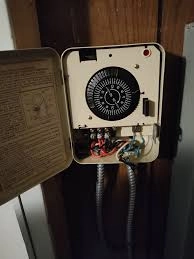
Never attempt to open the water heater's electrical access panel yourself — this involves exposed 240V wiring and should only be handled by a licensed technician.
When to Call a Professional Immediately
- The breaker trips again after a single reset attempt
- You notice any water near the unit's electrical components
- You smell burning or notice scorch marks near the breaker or unit
- The breaker feels hot to the touch
- Multiple appliances on the same circuit are also affected
Turn off the breaker and leave it off until a technician can diagnose the issue.
Cost Context for Electrical Diagnosis & Repair
| Likely Repair | Typical Cost Range |
|---|---|
| Heating element replacement | $150 – $250 |
| Thermostat replacement | $130 – $230 |
| Wiring diagnosis & repair | $150 – $350 |
| Full electrical diagnostic visit | $100 – $160 |
Breaker Tripping FAQs
A repeatedly tripping breaker on an electric water heater circuit usually indicates a failed heating element drawing excess current, a short circuit in the wiring, a failing thermostat, or a breaker that's reached the end of its service life. This should not be repeatedly reset without diagnosis.
Yes. A breaker trips as a safety mechanism to prevent electrical fires from overcurrent conditions. Repeatedly resetting a tripping breaker without addressing the underlying cause risks electrical fire, further damage to the water heater, or damage to your home's electrical panel.
Costs vary by root cause: heating element replacement runs $150–$250, thermostat replacement $130–$230, and wiring repairs vary based on complexity. A proper diagnostic visit will identify the specific cause before recommending a repair.
Yes, though less common. Breakers can wear out over time and become oversensitive, tripping even under normal load. If a licensed electrician confirms the water heater and its wiring are functioning properly, the breaker itself may need replacement.